The Denial
Architecture Model
Denial activity carries financial signals, this framework shows you how to read them.
This 30+ page framework introduces a structured approach to converting denial activity into operational control and financial predictability through defined layers, feedback loops, and measurable signals.
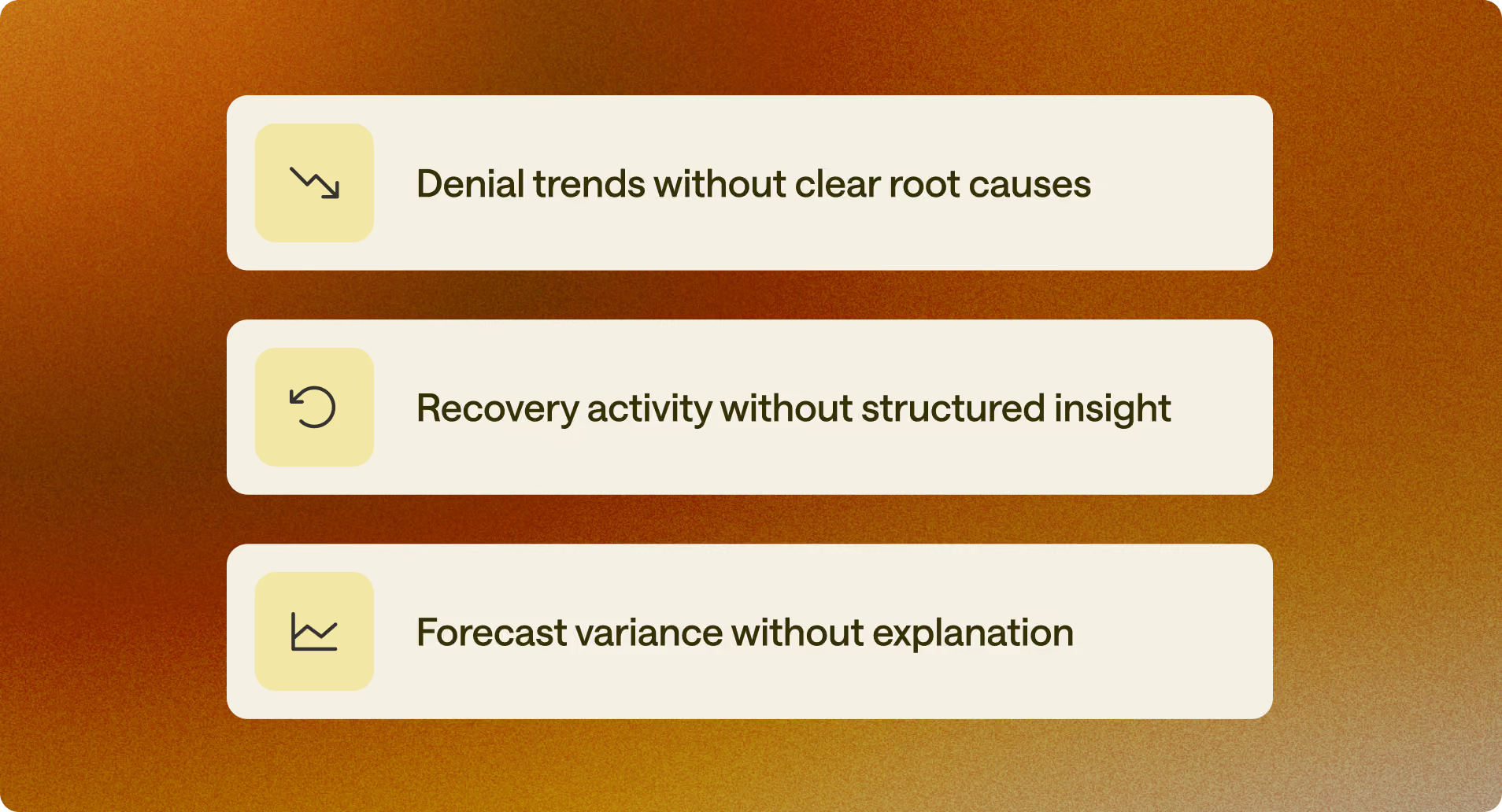
Healthcare organizations generate significant revenue data. The harder problem is visibility: understanding what actually happened to revenue between claim submission and payment, and why.
Between claim submission and payment, critical signals are fragmented across systems, leaving denial activity, recovery effort, and financial outcomes disconnected.
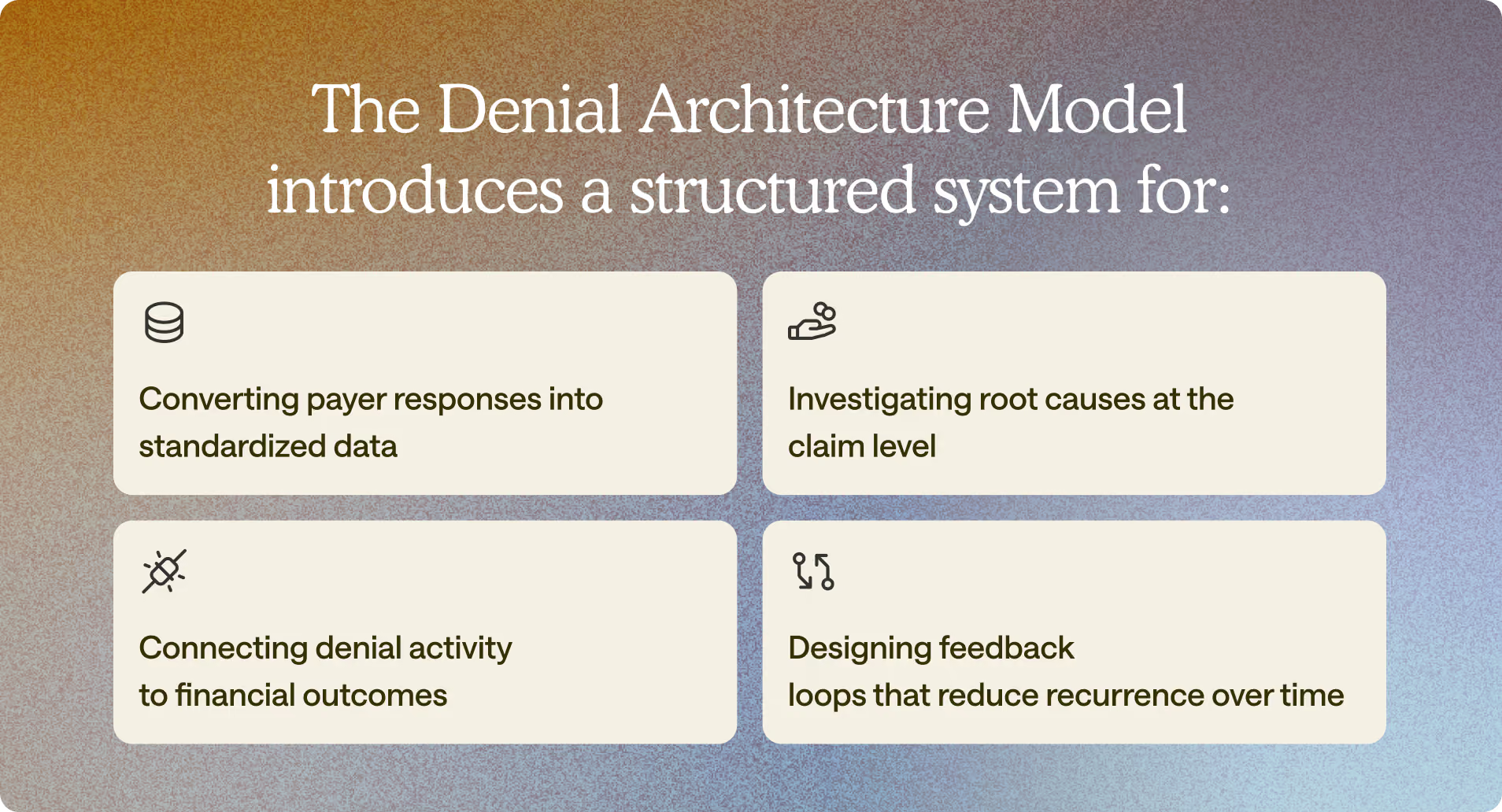
This guide introduces a structured approach to connecting those signals, turning denial activity into operational clarity and financial insight. The result is designed control over revenue behavior, alongside improved recovery.
Built for VPs of Revenue Cycle and CFOs, it provides a shared system to connect operational performance with financial predictability.


What You’ll Learn
.png)
.png)
.png)
.png)
- Net collection rate
- Days in A/R
- Cash conversion cycle
- Forecast variance
.png)
.png)
.png)
Who This Is For
If you are responsible for explaining revenue performance, this framework is built for you.

VP / Head of Revenue Cycle

Revenue Integrity Leaders

CFOs and Finance Leaders

Operators responsible for revenue predictability
Download the Denial Architecture Model
Replace fragmented signals with structured visibility.
Create predictable, controllable revenue performance.